In a world where visual content reigns supreme, the ability to tell a compelling story through images has never been more crucial. Whether you’re a photographer, a marketer, or a content creator, mastering the art of storytelling through visuals can significantly enhance your audience’s engagement. Here, we explore five essential tips to create stunning storytelling images that captivate and resonate.
Captivating storytelling images can elevate your visual narrative and engage your audience effectively. In this guide, we will explore five essential tips that will help you create stunning images that resonate. To further enhance your designs, consider innovative tools like Explore 3D Wall Logo options.
Understand Your Narrative
Before you even pick up your camera or smartphone, it’s important to define the story you want to tell. Every great image conveys a narrative, and understanding that narrative is key to creating an impactful photograph.
Identify Your Message
Ask yourself a few questions to crystallize your message:
- What emotion do I want to evoke?
- What theme do I want to convey?
- Who is my target audience?
Sketch Your Ideas
Creating a rough sketch of your envisioned shot can help you visualize the end result. It doesn’t have to be a masterpiece; just focus on how you plan to arrange subjects and elements within the frame.
Composition is Key
The way you compose your image can drastically alter how the story is perceived. A well-thought-out composition can draw viewers in and guide their eyes through the narrative.
Rule of Thirds
Utilizing the rule of thirds can create balance and interest in your images. Divide your frame into a grid of nine equal sections and position your subject along these lines or at their intersections.
Leading Lines
Incorporating leading lines can help direct the viewer’s gaze towards your subject or the focal point of your story. Consider using roads, paths, or natural lines in your environment to guide your audience through the image.
Framing
Use surrounding elements to frame your subject. This technique can enhance depth and context within your image, making it feel more immersive.
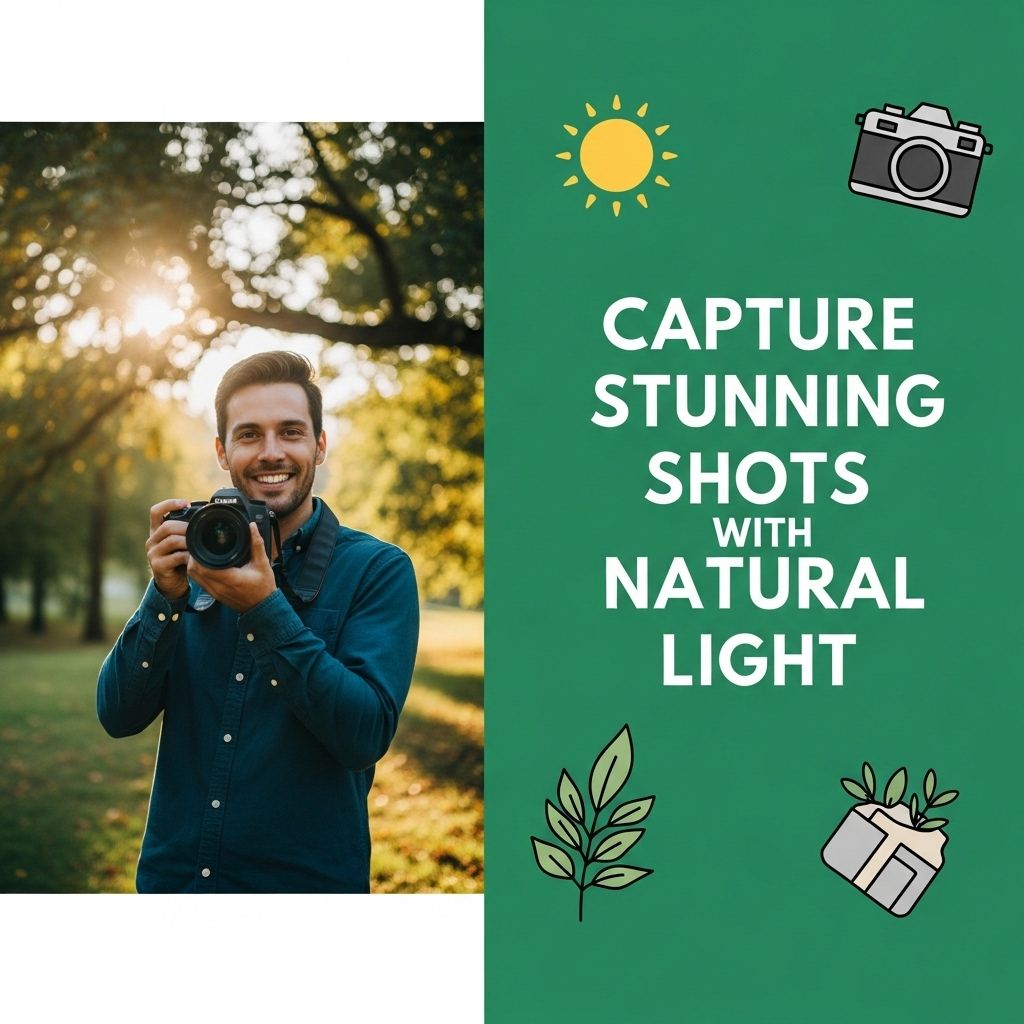
Lighting Matters
Lighting plays a crucial role in storytelling photography. The right lighting can convey mood and emotion, while poor lighting can detract from your message.
Natural Light vs. Artificial Light
Consider the type of lighting available to you:
| Type of Light | Advantages | Disadvantages |
|---|---|---|
| Natural Light | Soft, flattering, free | Variable, may require planning |
| Artificial Light | Consistent, controllable | Can appear harsh, requires equipment |
Golden Hour
The golden hour, which occurs shortly after sunrise and before sunset, offers soft, diffused light that is ideal for storytelling images. This light can enhance textures and make your subjects appear more dynamic.
Incorporate Emotion
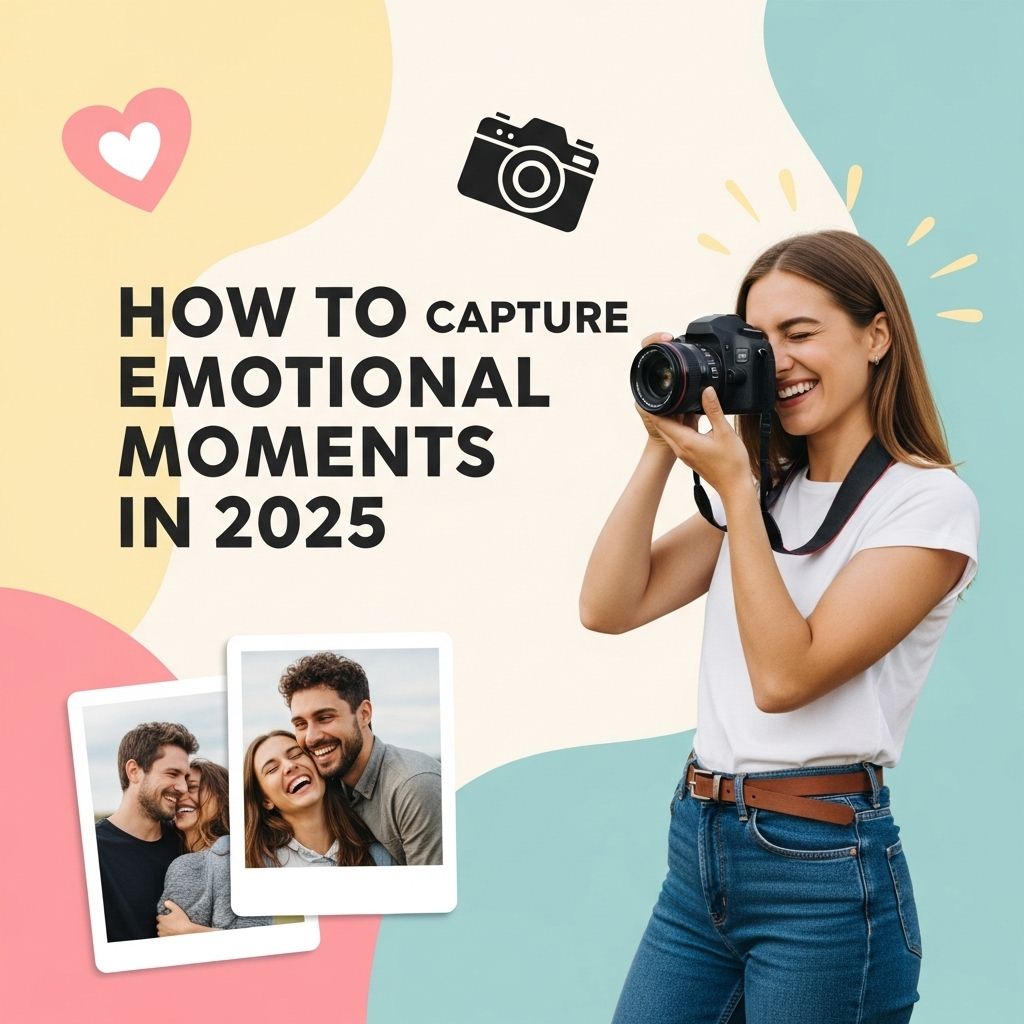
Emotion is at the heart of effective storytelling. Capturing genuine emotions can create a strong connection between the image and the viewer.
Candid Moments
Sometimes the best storytelling images are those that capture spontaneous, candid moments. Keep your camera ready to document expressions and interactions that reflect the narrative you want to convey.
Use Props and Settings
Integrating props or specific settings can evoke particular emotions. For example:
- A cozy chair can suggest comfort and relaxation.
- A bustling street can convey energy and excitement.
- A rain-soaked window can evoke feelings of nostalgia or sadness.
Edit with Purpose
Post-processing can enhance your storytelling images significantly. However, it’s essential to edit with purpose, ensuring your adjustments reinforce the narrative rather than overshadow it.
Choose Your Editing Style
Consider what style complements your story:
- High Contrast: Evokes drama and intensity.
- Soft Tones: Suggests calmness and serenity.
- Vibrant Colors: Conveys energy and excitement.
Consistency is Key
When editing a series of images, maintain a consistent style. This creates a cohesive narrative when viewed together and helps establish your visual identity.
Final Thoughts
Stunning storytelling images require thought, planning, and creativity. By understanding your narrative, mastering composition, utilizing the right lighting, incorporating genuine emotions, and editing with purpose, you can create images that not only capture attention but also tell a compelling story. Start practicing these tips today and watch as your storytelling images come to life.
FAQ
What are the key elements of storytelling in photography?
The key elements include a strong subject, emotional connection, context, composition, and narrative flow.
How can I choose the right subject for my storytelling images?
Select subjects that evoke emotions or have a compelling story, whether it’s a person, place, or event.
What role does lighting play in storytelling images?
Lighting sets the mood and tone of the image, enhancing the emotional impact and drawing attention to the subject.
How important is composition in storytelling photography?
Composition is crucial as it guides the viewer’s eye and helps convey the story effectively through framing and focus.
Can editing enhance storytelling in images?
Yes, editing can enhance colors, contrast, and clarity, helping to emphasize the narrative and emotional elements of the image.
What tips can I follow to improve my storytelling photography?
Experiment with different angles, incorporate elements of surprise, capture candid moments, and always aim to convey an emotion or message.