
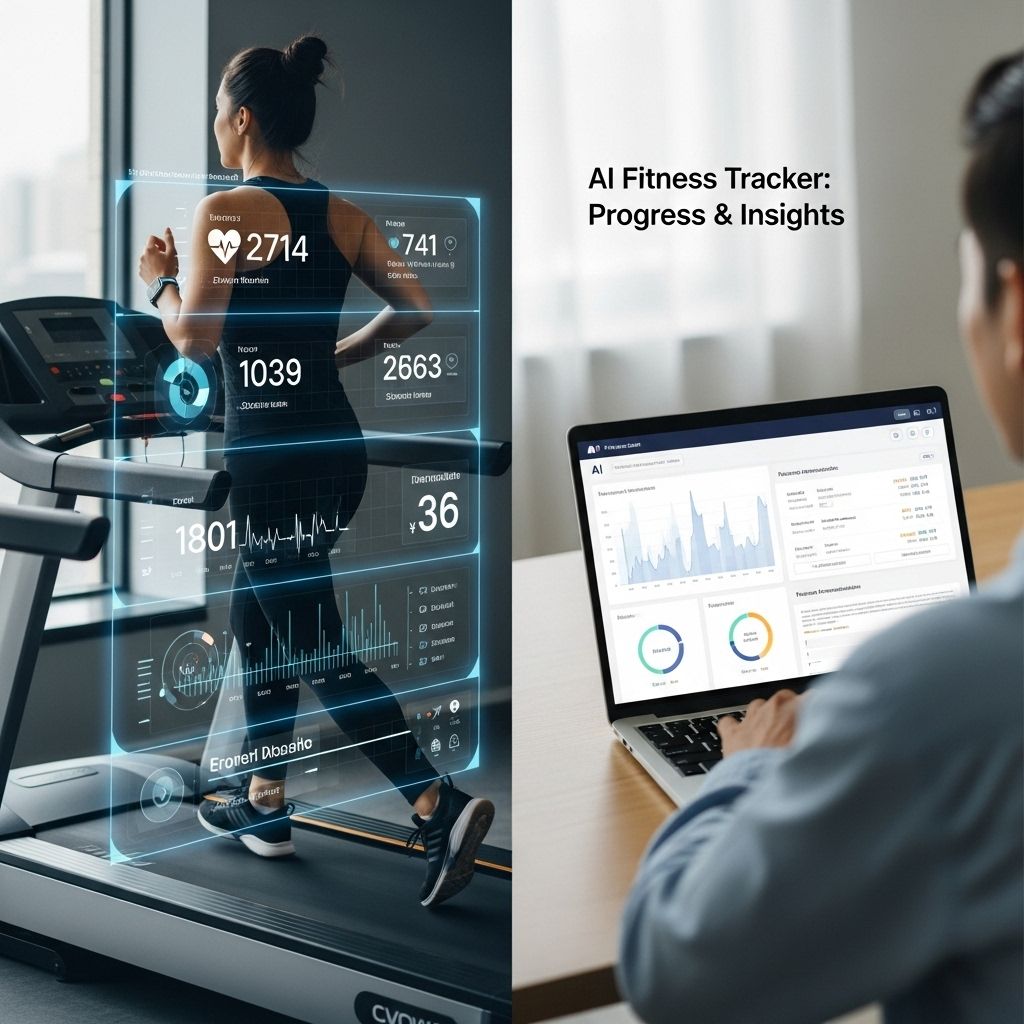
In an age where technology synchronizes seamlessly with our daily lives, tracking fitness goals has taken on an innovative dimension. With the advent of Artificial Intelligence (AI), individuals can now embark on their fitness journeys with a data-driven approach that promises precision, personalization, and unprecedented motivation. This article delves into my experiences leveraging AI tools to track and achieve fitness goals, outlining the methodologies, tools utilized, and key takeaways along the way.
As I embarked on my fitness journey, I discovered the transformative power of tracking my goals with AI. By leveraging sophisticated tools, I was able to analyze my progress, adjust my routines, and stay motivated. For those interested in diving deeper into this technology, there are some of the best AI applications that can aid in optimizing fitness routines.
Understanding AI in Fitness
Artificial Intelligence refers to the simulation of human intelligence in machines that are programmed to think and learn like humans. In the fitness realm, AI serves as a transformative tool that can analyze data, predict outcomes, and offer tailored fitness regimens. Here’s how AI integrates into fitness:
- Personalized Training Plans: AI algorithms can create custom workout plans based on individual fitness levels, preferences, and goals.
- Real-time Feedback: Wearable technology powered by AI can provide immediate feedback on performance and form.
- Progress Tracking: AI can analyze workout data over time, providing insights that help in adjusting fitness strategies.
- Nutrition Guidance: AI can offer personalized dietary recommendations based on fitness goals.
Choosing the Right AI Tools
The market is saturated with fitness apps and devices, each claiming to utilize AI in unique ways. As I embarked on my fitness journey, I researched and selected a few key tools that I found to be most beneficial:
1. Fitness Apps
| App Name | Features | Platform |
|---|---|---|
| MyFitnessPal | Calorie tracking, personalized meal suggestions, community support | iOS, Android, Web |
| Fitbod | AI-generated strength training workouts, adapts to available equipment | iOS, Android |
| Runkeeper | GPS tracking, audio coaching, personalized running plans | iOS, Android |
| Freeletics | AI-driven bodyweight training, personalized coaching | iOS, Android |
2. Wearable Technology
Wearable devices have become essential in the fitness landscape, providing continuous monitoring and data collection:
- Smartwatches: Devices like the Apple Watch and Garmin Forerunner offer heart rate monitoring, exercise tracking, and even ECG capabilities.
- Fitness Trackers: Devices such as Fitbit and Huawei Band provide insights on daily activity levels and sleep patterns.
Application of AI in My Fitness Tracking Journey
With the right tools selected, I began my fitness journey, focusing on specific goals while leveraging AI for better outcomes.
Goal Setting
One of the key aspects of fitness tracking is setting achievable and measurable goals. I started with the following:
- Run a 5K in under 30 minutes.
- Complete a body weight workout four times a week.
- Reduce body fat percentage by 5% in six months.
Data Collection and Analysis
Using a combination of MyFitnessPal and Fitbit, I meticulously tracked my daily calorie intake and physical activity. The AI algorithms in these applications helped identify patterns, such as:
- Caloric deficits leading to weight loss, and how different macronutrient distributions affected energy levels.
- Identifying optimal workout times based on my heart rate and recovery.
AI-Driven Workouts
To keep my routine fresh and engaging, I utilized Fitbod to generate personalized strength training workouts based on my progress and available equipment. This AI-driven approach ensured that:
- The workouts were tailored to my current fitness level.
- I was constantly challenged to improve without risking injury.
- Every session was varied, preventing workout monotony.
Nutrition Insights
I paired my workout regimen with a nutrition plan from MyFitnessPal. The AI provided me with:
- Personalized Meal Suggestions: Based on my caloric needs and preferences.
- Detailed Nutritional Breakdowns: So I could tweak my food choices to optimize performance.
Real-time Feedback and Adjustments
As I progressed, the AI tools provided real-time feedback that was instrumental in my training. For example, my smartwatch collected data during runs, which enabled me to:
- Monitor my heart rate during intervals to ensure I was training in the optimal zone.
- Adjust my pace based on predictive analytics from previous runs.
Tracking Progress
Regular assessments were key to staying motivated. I routinely analyzed data collected over weeks using the analytics features in my fitness apps. Here’s how progress tracking played out:
| Metric | Week 1 | Week 4 | Week 8 |
|---|---|---|---|
| 5K Time | 36:45 | 33:30 | 30:15 |
| Body Fat % | 25% | 23% | 21% |
| Weekly Workouts | 3 | 4 | 5 |
Overcoming Challenges
Despite the advantages of AI, I faced several challenges along the way:
- Data Overwhelm: Initially, the sheer volume of data could be overwhelming, making it tough to interpret.
- Dependence on Technology: There were occasions when I felt overly reliant on the apps instead of listening to my body.
- Plateaus: At times, progress slowed, requiring adjustments to my routine.
Conclusion
Tracking fitness goals using AI has transformed my approach to health and wellness. By harnessing data-driven tools, I have achieved significant milestones, from improving my running time to enhancing overall fitness. While challenges exist, the benefits far outweigh them, making AI an indispensable ally in the modern fitness landscape. As technology continues to evolve, I look forward to seeing how AI will further enrich our fitness experiences.
FAQ
How can I track my fitness goals using AI?
You can track your fitness goals using AI by utilizing fitness apps that incorporate machine learning algorithms to analyze your performance, suggest workouts, and monitor your progress over time.
What are the benefits of using AI for fitness tracking?
The benefits of using AI for fitness tracking include personalized workout recommendations, real-time feedback on performance, and insights into your health trends based on your data.
Can AI help me stay motivated in my fitness journey?
Yes, AI can help keep you motivated by setting achievable milestones, sending reminders, and providing positive reinforcement through rewards and progress tracking.
What features should I look for in an AI fitness tracking app?
Look for features like goal setting, activity tracking, nutrition monitoring, integration with wearable devices, and customized workout plans driven by AI.
Is AI fitness tracking suitable for beginners?
Absolutely! AI fitness tracking is designed to cater to all fitness levels, making it easy for beginners to understand their progress and set achievable goals.
How accurate is AI in tracking fitness goals?
AI can be quite accurate in tracking fitness goals, especially when combined with data from wearable devices, but it’s important to choose apps that have a good reputation for data accuracy.


