
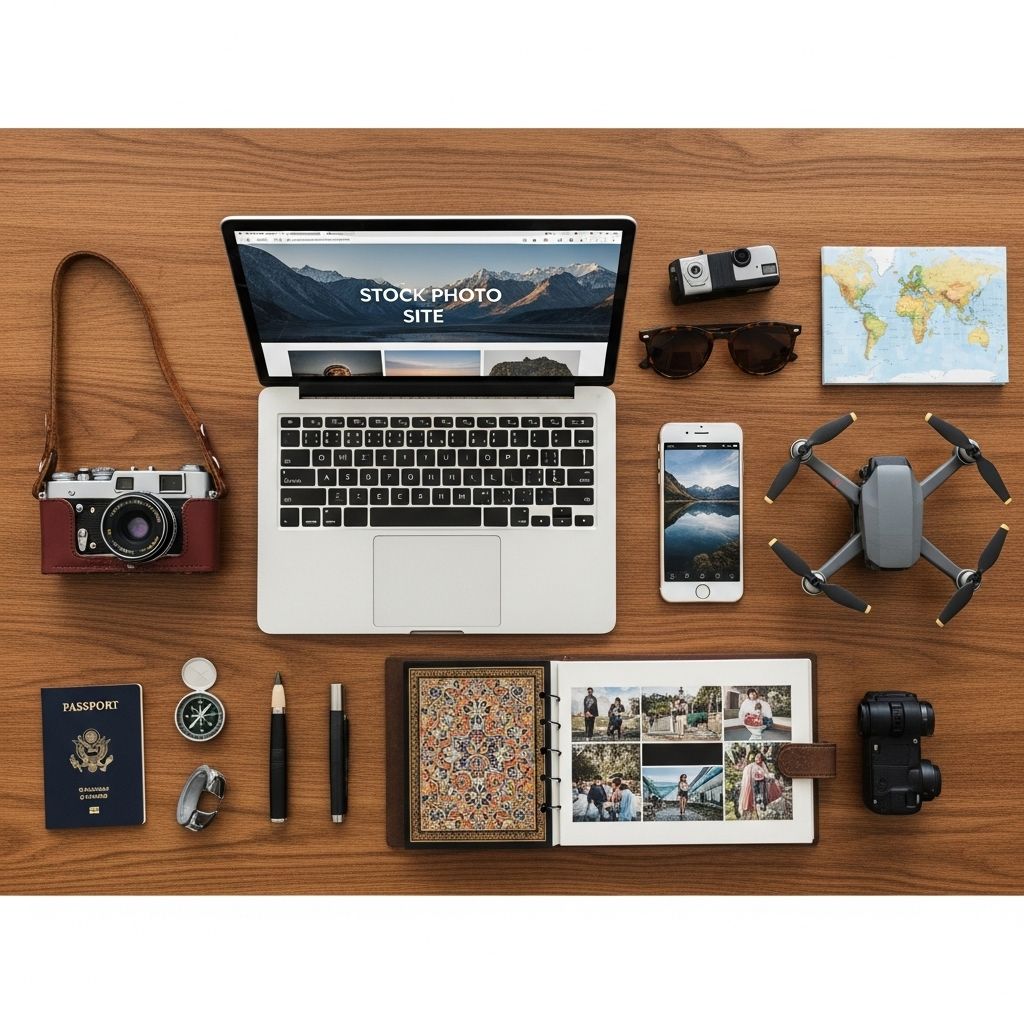
In the age of social media and digital marketing, travel photography has emerged as an incredibly lucrative avenue for those who possess a good eye and the right tools. Whether you’re a professional photographer or a passionate traveler with a smartphone, converting your travel pictures into a source of income can be highly rewarding. This article explores five essential tools that can help you monetize your travel photography effectively.
Travel photography has transformed from a hobby into a lucrative opportunity for many, thanks to various tools and platforms. With the right resources, you can turn your stunning travel pics into a source of income by mastering techniques to engage audiences on social media. Check out these essential tools to enhance your skills, including helpful Instagram video tutorials that can elevate your content creation.
1. Stock Photography Platforms
One of the most straightforward ways to earn money from your travel photos is through stock photography platforms. These websites allow you to upload your images and earn a commission every time someone downloads one of your pics. Here are some popular platforms to consider:
- Shutterstock
- Adobe Stock
- Getty Images
- iStock
- Dreamstime
How to Get Started
To maximize your earnings, follow these steps:
- Research Market Trends: Identify the types of images that are currently in demand.
- Optimize Your Keywords: Use relevant keywords to improve visibility.
- Upload High-Quality Images: Ensure your photos are sharp and well-composed.
- Regular Updates: Keep your portfolio fresh by adding new images regularly.
2. Print on Demand Services
Print on demand (POD) services allow you to sell physical copies of your travel pictures without the hassle of inventory and shipping. You can turn your images into high-quality prints, canvases, or even merchandise like t-shirts and mugs. Popular POD platforms include:
- Redbubble
- Society6
- Fine Art America
- TeeSpring
Setting Up Your Store
Here’s how you can set up your own POD store:
- Create an Account: Sign up for a platform and set up your artist profile.
- Upload Your Artwork: Provide high-resolution images to ensure quality.
- Set Your Prices: Determine your profit margin on each sale.
- Promote Your Store: Use social media and email marketing to drive traffic.
3. Affiliate Marketing
Affiliate marketing is a powerful way to earn income by promoting travel-related products or services. By partnering with companies that align with your brand, you can earn a commission for every sale made through your referral link.
Where to Start
Here are a few platforms to explore for affiliate opportunities:
- Amazon Associates
- ShareASale
- Commission Junction
- Travelpayouts
Effective Strategies
To make your affiliate marketing efforts fruitful:
- Choose Niche Products: Select products that cater to your audience’s interests.
- Create Quality Content: Write reviews or guides featuring the products.
- Use Call-to-Actions: Encourage readers to click on your affiliate links.
4. Personal Website or Blog
Having a personal website or blog dedicated to your travel photography can serve as an essential platform for monetization. Here’s how you can utilize your site:
Content Ideas
Consider the following types of content:
- Tutorials on photography techniques
- Travel itineraries and guides
- Photo essays of your travels
- Product reviews related to travel gear
Monetization Options
You can monetize your website through:
- Ad Networks: Use platforms like Google AdSense to display ads.
- Sponsored Content: Partner with brands for sponsored posts.
- Sell Your Photography: Directly sell prints or digital downloads.
5. Online Courses and Workshops
If you possess expertise in photography or travel, consider creating online courses or workshops. This is a great way to share your knowledge while generating income. Here’s how to get started:
Course Creation Steps
- Identify Your Niche: Focus on specific aspects like landscape photography or travel blogging.
- Create Course Content: Plan modules that cover your topics thoroughly.
- Choose a Platform: Use platforms like Udemy or Teachable to host your course.
- Market Your Course: Promote through social media and email newsletters.
Benefits of Online Courses
- Passive income potential
- Ability to reach a global audience
- Establishing yourself as an authority in your niche
Conclusion
In conclusion, the digital landscape offers endless possibilities for travel photographers to turn their passion into profit. By leveraging stock photography, print on demand services, affiliate marketing, personal websites, and online courses, you can create multiple income streams. The key is to stay creative, continuously improve your photography skills, and engage with your audience. So grab your camera, start capturing those amazing travel moments, and explore the exciting ways to monetize your work!
FAQ
What are the best tools to monetize travel photos?
Some of the best tools to monetize travel photos include stock photography websites, print-on-demand services, social media platforms, travel blogs, and photography marketplaces.
How can I sell my travel photos online?
You can sell your travel photos online by using stock photography websites like Shutterstock or Adobe Stock, creating a personal website or blog, or using platforms like Etsy for prints.
What is the role of social media in selling travel photos?
Social media platforms like Instagram and Pinterest help you showcase your travel photos, build an audience, and drive traffic to your sales platforms or personal website.
Can I use print-on-demand services for my travel photos?
Yes, print-on-demand services allow you to create and sell products like prints, canvases, or merchandise featuring your travel photos without upfront costs.
What photography marketplaces can I use for selling travel images?
Photography marketplaces like 500px, SmugMug, and Fine Art America provide platforms for photographers to sell their travel images directly to consumers.
How do I price my travel photos for sale?
Pricing your travel photos depends on factors like the quality of the image, market demand, and the platform you are using. Research similar works to find a competitive price.


