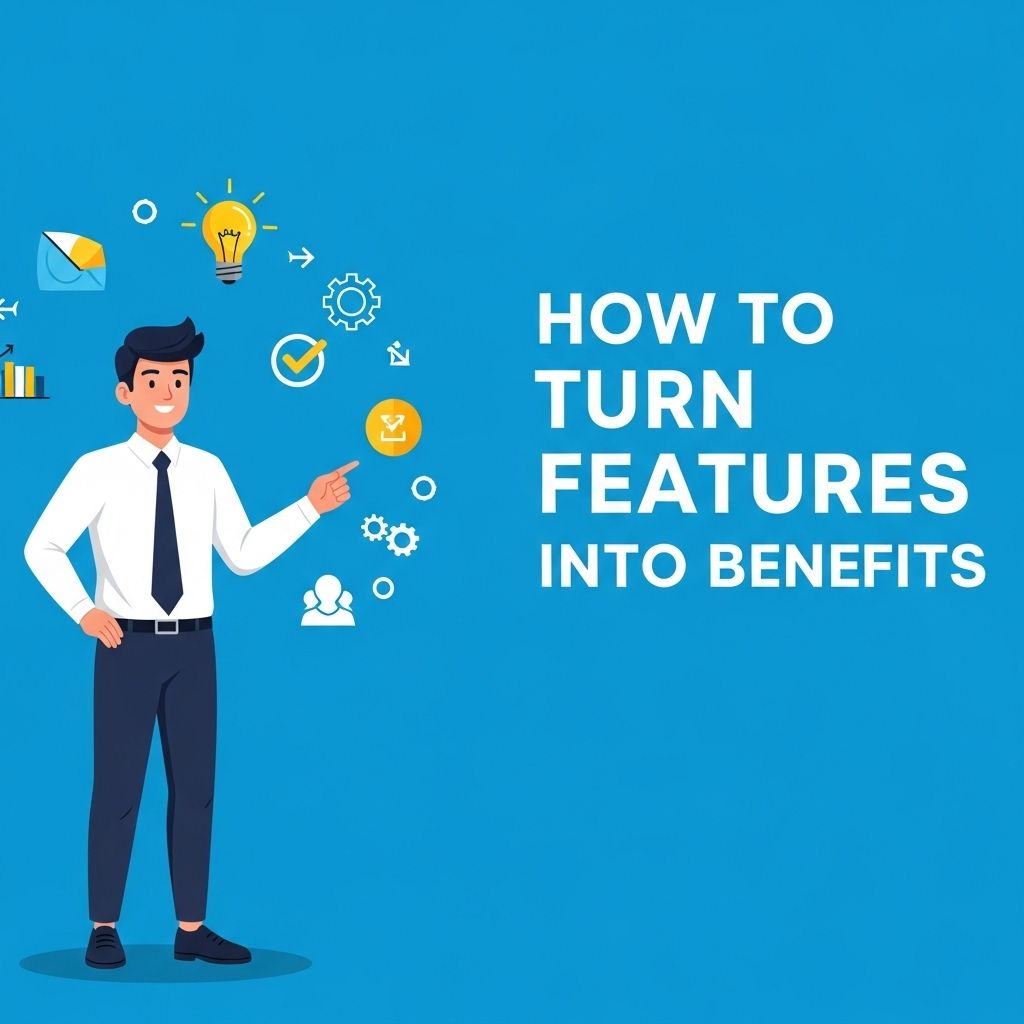
In today’s competitive marketplace, the ability to articulate the benefits of a product or service is crucial for success. While features describe what a product does, benefits explain why those features matter to the consumer. This article delves into the art of transforming features into compelling benefits, ensuring that your messaging resonates with your audience and drives engagement.
Transforming features into compelling benefits is essential for effective communication in product marketing. By highlighting how specific attributes enhance user experience—such as showcasing a design with a 3D Wall Logo Mockup—you can create a deeper connection with your audience. Enhance your product presentation to illustrate these benefits more vividly.
Understanding Features vs. Benefits
To effectively communicate with customers, it’s essential to understand the distinction between features and benefits:
- Features: These are the attributes or characteristics of a product. For example, a smartphone may have a 64-megapixel camera, 128 GB of storage, or a 6.5-inch display.
- Benefits: These explain how the features improve the consumer’s life or solve a problem. Continuing with the smartphone example, the benefits might include capturing stunning photos, storing more apps and media, or enjoying an immersive viewing experience.
The Importance of Benefits in Marketing
In marketing, emphasizing benefits helps to:
- Enhance Customer Engagement: Customers are more likely to respond positively to marketing messages that highlight how a product can improve their lives.
- Build Emotional Connections: Benefits often evoke emotions, creating a deeper connection between the consumer and the brand.
- Differentiate from Competitors: Focusing on benefits can set your product apart in a crowded marketplace.
- Drive Purchase Decisions: When consumers understand the personal value of a product, they are more inclined to make a purchase.
Steps to Transform Features into Benefits
Transforming features into benefits involves a strategic approach. Below are several steps to guide you through this process:
1. Identify Key Features
Start by listing the key features of your product or service. Consider elements that are essential for customer evaluation:
| Feature | Description |
|---|---|
| Battery Life | Battery lasts for 48 hours on a single charge. |
| Water Resistance | Can withstand immersion in water up to 30 meters. |
| Customer Support | 24/7 support via phone, chat, and email. |
2. Understand Your Audience
Analyze your target audience to determine their needs, desires, and pain points. Consider conducting surveys or focus groups to gather insights. Create customer personas to visualize your ideal customers:
- Tech Enthusiast: Values advanced features and performance.
- Busy Professional: Prioritizes ease of use and time-saving capabilities.
- Outdoor Adventurer: Looks for durability and reliability in extreme conditions.
3. Map Features to Benefits
For each feature identified, think about how it translates into a benefit. Use the formula: Feature + Value Proposition = Benefit.
Example of Mapping
| Feature | Benefit |
|---|---|
| Battery Life | Stay connected all weekend without worrying about charging. |
| Water Resistance | Take your phone on any adventure without fear of damage. |
| Customer Support | Get help whenever you need it, ensuring peace of mind. |
4. Craft Compelling Messaging
Once you have your benefits mapped out, it’s time to create engaging messaging that emphasizes these benefits. Use storytelling techniques to connect on a deeper level:
- Use Real-Life Scenarios: Illustrate how benefits enhance everyday life.
- Leverage Testimonials: Share customer feedback that highlights benefits.
- Incorporate Visuals: Use images or videos that demonstrate benefits in action.
Examples of Effective Feature-to-Benefit Messaging
Here are some examples of how to effectively communicate benefits based on product features:
Smart Home Devices
Feature: Remote access via smartphone app
Benefit: Control your home from anywhere, ensuring security and convenience.
Fitness Trackers
Feature: Heart rate monitoring
Benefit: Optimize your workouts and improve your health by tracking your performance.
Project Management Software
Feature: Collaboration tools
Benefit: Enhance team productivity and streamline communication, leading to successful project outcomes.
Testing and Refining Your Messaging
After crafting your messaging, it’s essential to test it with your audience. Use A/B testing to see which headlines, descriptions, or calls-to-action resonate more. Monitor engagement metrics, such as click-through rates and conversion rates, to refine your approach continually.
Conclusion
Effectively communicating the benefits of your product is vital for capturing customer interest and driving sales. By understanding the difference between features and benefits, mapping features to consumer-centric benefits, and crafting compelling messaging, you can create a powerful narrative that resonates with your audience. Implement these steps, and watch your marketing effectiveness soar!
FAQ
What is the difference between features and benefits?
Features are the specific attributes or characteristics of a product, while benefits explain how those features provide value or solve problems for the user.
How can I effectively identify the benefits of a product?
To identify benefits, consider how each feature meets customer needs, enhances their experience, or solves a specific problem they face.
What are some examples of features turned into benefits?
For instance, a smartphone’s high-resolution camera (feature) allows users to capture stunning photos (benefit), making memories more vivid.
Why is it important to communicate benefits to customers?
Communicating benefits helps customers understand the value of a product, which can lead to increased sales and customer satisfaction.
Can you provide tips on how to write benefits effectively?
Use clear and concise language, focus on how the product improves the user’s life, and incorporate emotional appeal to connect with your audience.
How can I use benefits in my marketing strategy?
Incorporate benefits into your messaging, advertisements, and product descriptions to resonate with potential customers and differentiate your offerings.