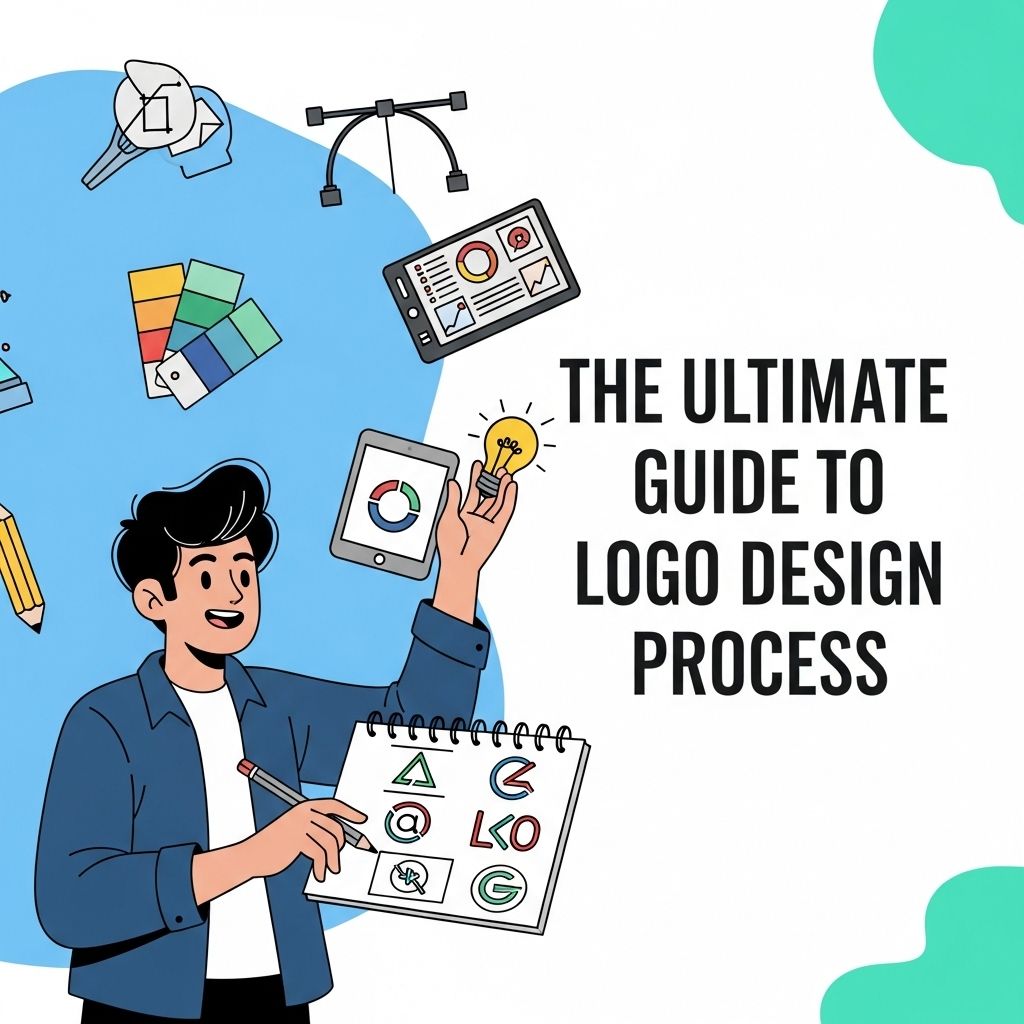
In the world of branding, a logo is much more than a mere graphic; it is the visual embodiment of a company’s identity. It encapsulates a brand’s ethos, promises, and values in a single design. Given this significance, presenting logos effectively is crucial for both the designer and brand stakeholders. This guide delves into best practices, presentation techniques, and tools that can elevate your logo presentation skills.
In the world of branding, effectively presenting your logo can make a significant difference in how it is perceived. This guide will explore essential techniques and tools, like high-quality paper mockups, to showcase your logo in a professional and compelling manner.
The Importance of a Strong Logo Presentation
A logo presentation is not just about showcasing a design; it is about storytelling. A strong presentation can:
- Communicate brand values.
- Illustrate the design process.
- Highlight versatility and adaptability.
- Engage stakeholders effectively.
Establishing Context
Before diving into your logo design, it’s essential to establish the context. Discuss the brand’s history, target audience, and industry position. This background information will provide a frame of reference for your audience.
Choosing the Right Presentation Format
Different formats can be used for logo presentations, and each has its advantages. Below are some options:
Digital Presentations
Using software like PowerPoint or Keynote can help create visually engaging presentations. Consider the following tips:
- Keep slides minimalistic—use visuals over text.
- Incorporate animations for a dynamic experience.
- Utilize high-quality images to showcase logos effectively.
Print Presentations
Printed materials can offer a tactile experience that digital formats lack. When preparing print presentations:
- Use high-resolution images.
- Include swatch samples of colors used in the logo.
- Incorporate mockups to show the logo in real-world scenarios.
Key Elements of a Logo Presentation
A memorable logo presentation should contain several key elements that convey the design’s purpose and strategy:
The Design Rationale
Explain the reasoning behind your design choices. Discuss elements such as:
- Color palette: Why were specific colors chosen? What emotions do they evoke?
- Typography: Why does the chosen font resonate with the brand?
- Iconography: What symbols or motifs are represented, and how do they relate to the brand?
Logo Variations
Showcase different versions of the logo to demonstrate adaptability:
| Version | Description |
|---|---|
| Full Color | The primary logo design. |
| Monochrome | A single-color version for versatility. |
| Icon Only | A standalone icon for social media or app usage. |
Tailoring Your Presentation to Various Audiences
Understanding your audience is crucial for effective logo presentations. Tailor your approach based on whether you are presenting to:
Clients
Focus on how the logo aligns with the client’s vision and business goals. Highlight how it can help them stand out in their industry.
Design Peers
Engage your peers by discussing the technical aspects of the design process, such as software used, challenges faced, and feedback received.
Stakeholders
When presenting to stakeholders or investors, emphasize the logo’s potential for brand recognition and market positioning.
Utilizing Feedback Effectively
Feedback is an integral part of the design process. Here are some best practices for collecting and integrating feedback:
Creating a Feedback Loop
- Present multiple design options initially to gather first impressions.
- Encourage open dialogue about your design choices.
- Iterate based on constructive feedback before finalizing the design.
Finalizing the Presentation
Once feedback is incorporated and revisions are made, it’s time to finalize your presentation:
Creating a Style Guide
Include a brand style guide as part of your presentation to ensure consistent application of the logo. Elements to consider in the style guide are:
- Logo usage guidelines (size, placement, background variations)
- Color specifications (RGB, CMYK, HEX codes)
- Font pairing guidelines
Packaging the Presentation
Ensure your presentation is packaged professionally. This could involve:
- Creating a PDF version for easy sharing.
- Including mockups that place the logo in real-world applications (e.g., business cards, signage).
Presenting to Clients: Best Practices
When it comes time to present to clients, consider the following strategies to enhance engagement:
Set the Scene
Start your presentation with an introduction to set the stage. This could include background music or a compelling story about the brand.
Interactive Elements
Encourage client interaction by asking questions throughout the presentation. Allow them to express their thoughts and feelings about the designs.
Conclusion
By understanding the critical elements of logo presentations, tailoring your approach to your audience, and effectively utilizing feedback, you can elevate your presentations from mere showcases to impactful narratives. Your logo is a vital part of a brand’s identity, and presenting it thoughtfully can significantly influence perceptions and success.
FAQ
What are the key elements of effective logo presentation?
Effective logo presentation includes clarity, relevance, versatility, and visual appeal, ensuring that the logo communicates the brand’s identity and values.
How should I choose the right background for my logo presentation?
Choosing a background that contrasts well with the logo colors enhances visibility and impact; consider using neutral or complementary tones.
What formats are best for presenting logos to clients?
Present logos in high-resolution formats like PNG, JPEG, and vector files (AI, SVG) to ensure quality across various platforms and uses.
How can I effectively showcase logo variations?
Showcasing logo variations involves displaying different color schemes, sizes, and applications (like business cards or merchandise) to demonstrate versatility.
What are common mistakes to avoid in logo presentations?
Common mistakes include overcrowding slides with too much information, using low-quality images, and failing to explain the rationale behind the design choices.
How important is storytelling in logo presentations?
Storytelling is crucial in logo presentations as it helps convey the brand’s message and the thought process behind the design, creating a deeper connection with the audience.