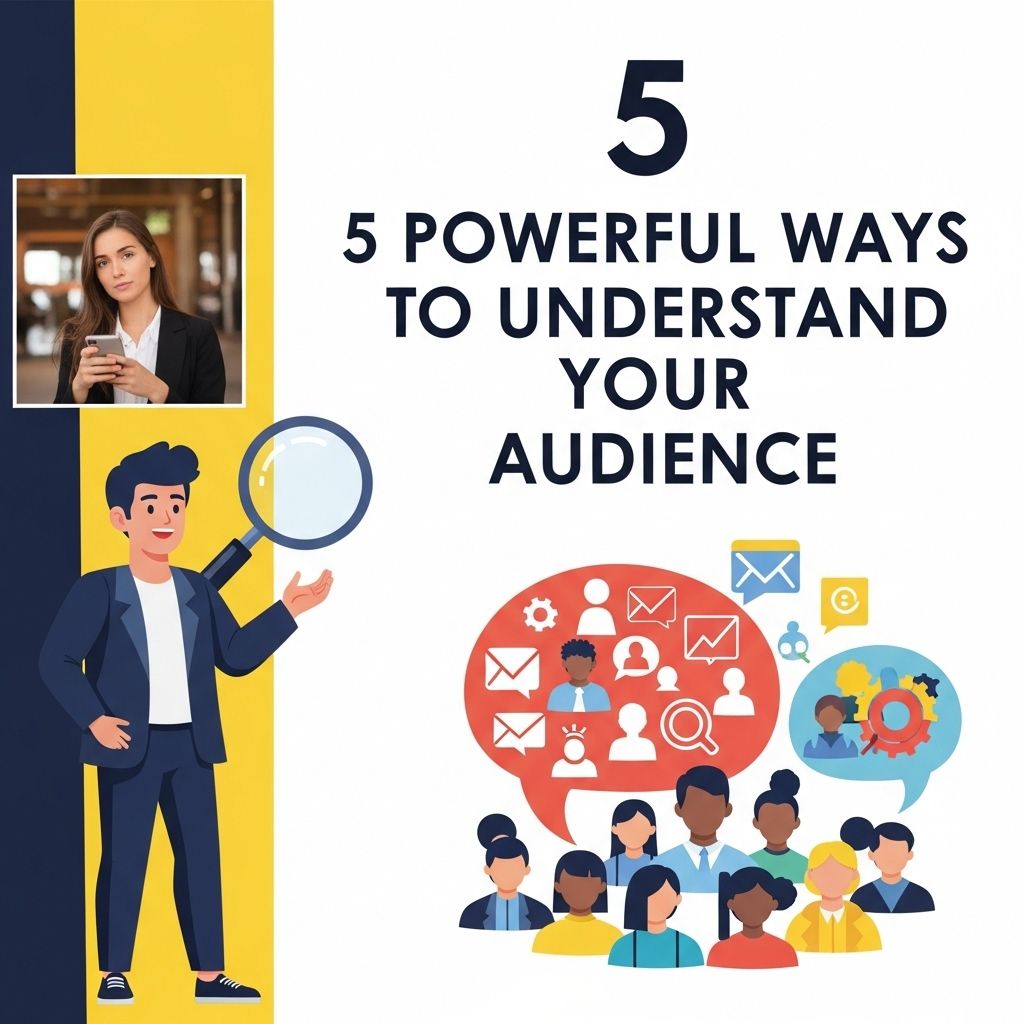
In the fast-paced world of technology and marketing, understanding your audience is more crucial than ever. With the vast arrays of platforms and channels available today, knowing who your audience is and what they want can make all the difference in how effective your communication is. This article delves into five powerful strategies that can help you gain a deeper understanding of your audience, ensuring that your marketing efforts are both efficient and effective.
Understanding your audience is crucial for effective communication and engagement on Facebook. In this article, we’ll explore five powerful ways to gain insights into your followers’ preferences and behaviors. For more interactive strategies, check out our Facebook live session tips.
1. Utilize Data Analytics
Data analytics has become an indispensable tool for understanding audience behavior and preferences. By leveraging various analytics tools, you can gather valuable insights that will help you tailor your messaging to meet the needs of your audience. Here are some key types of data to consider:
- Demographic Data: Age, gender, location, and income level.
- Behavioral Data: Purchase history, website interactions, and engagement metrics.
- Psychographic Data: Interests, values, and lifestyle choices.
Key Tools for Data Analytics
| Tool | Description |
|---|---|
| Google Analytics | Offers insights into website traffic and user behavior. |
| Facebook Insights | Analyzes engagement on Facebook pages and posts. |
| Hotjar | Provides heatmaps and session recordings to understand user interaction. |
2. Conduct Surveys and Polls
Surveys and polls are direct methods for gathering audience feedback. They allow you to understand your audience’s opinions, preferences, and pain points. Here are some tips for effective survey creation:
- Keep it Short: Limit your survey to 5-10 questions to encourage completion.
- Use Clear Language: Avoid jargon and complex terms to ensure your questions are easily understood.
- Offer Incentives: Consider providing rewards for completing surveys to increase participation.
Types of Questions to Include
- Multiple Choice: Great for gathering quantitative data.
- Open-Ended: Allows for more nuanced responses.
- Rating Scales: Useful for gauging satisfaction levels.
3. Engage on Social Media
Social media platforms are goldmines for understanding audience sentiment. By actively engaging with your audience on these platforms, you can gain insights into their interests, preferences, and pain points. Here’s how you can do this effectively:
Strategies for Engagement
- Regularly Post Content: Share relevant content that resonates with your audience.
- Monitor Comments and Messages: Pay attention to direct feedback and questions from your audience.
- Run Contests and Q&A Sessions: Encourage participation and gather insights on what your audience is curious about.
4. Analyze Competitor Strategies
Understanding how your competitors interact with their audience can provide valuable insights into what works and what doesn’t. Here are some methods for competitor analysis:
Steps for Competitor Analysis
- Identify Your Competitors: List down your main competitors in the industry.
- Analyze Their Content: Look at the type of content they produce and which posts generate the most engagement.
- Evaluate Their Audience Interaction: Check how competitors respond to comments and questions.
Tools for Competitor Analysis
| Tool | Description |
|---|---|
| SEMrush | Analyzes competitor keywords, traffic, and strategies. |
| BuzzSumo | Identifies the most shared content and influencers in your niche. |
| SimilarWeb | Provides insights into website traffic and analytics. |
5. Create Audience Personas
Audience personas are fictional representations of your ideal customers based on data and research. Creating detailed personas can help you visualize your audience and tailor your marketing strategies accordingly. Here’s how to create effective audience personas:
Steps to Create Audience Personas
- Research: Gather data from various sources, including analytics, surveys, and social media.
- Identify Patterns: Look for common characteristics and behaviors among your audience.
- Create Persona Profiles: Develop profiles that include demographics, motivations, challenges, and buying habits.
Example Audience Persona
| Persona | Details |
|---|---|
| Tech-Savvy Millennial | Age: 25-35, Interests: Technology, Gaming, Sustainability, Buying Habits: Online shopping, prefers eco-friendly products. |
| Busy Professional | Age: 30-45, Interests: Productivity, Work-Life Balance, Buying Habits: Values convenience, uses subscription services. |
By employing these five strategies, you can develop a deeper understanding of your audience, ultimately leading to more targeted and effective marketing campaigns. Understanding your audience is an ongoing process; by continually gathering and analyzing data, engaging with customers, and refining your approach, you can stay ahead in this competitive landscape. Embrace the power of knowledge, and watch your marketing efforts flourish.
FAQ
What are effective methods to understand my audience?
Utilize surveys, social media insights, customer feedback, analytics tools, and market research to gather valuable data about your audience.
Why is understanding my audience important for my business?
Understanding your audience helps tailor your marketing strategy, improve customer satisfaction, and enhance product development to meet their needs.
How can I gather audience feedback effectively?
Implement online surveys, conduct interviews, and engage with customers on social media to collect honest and constructive feedback.
What tools can I use to analyze my audience’s behavior?
Consider using Google Analytics, social media analytics, and customer relationship management (CRM) systems to track and analyze audience behavior.
How can segmentation help in understanding my audience?
Segmentation allows you to categorize your audience into specific groups, enabling more targeted marketing strategies that resonate with each segment’s unique needs.
What role does empathy play in understanding my audience?
Empathy helps you connect with your audience on a deeper level, allowing you to understand their emotions and motivations, which can enhance your marketing efforts.