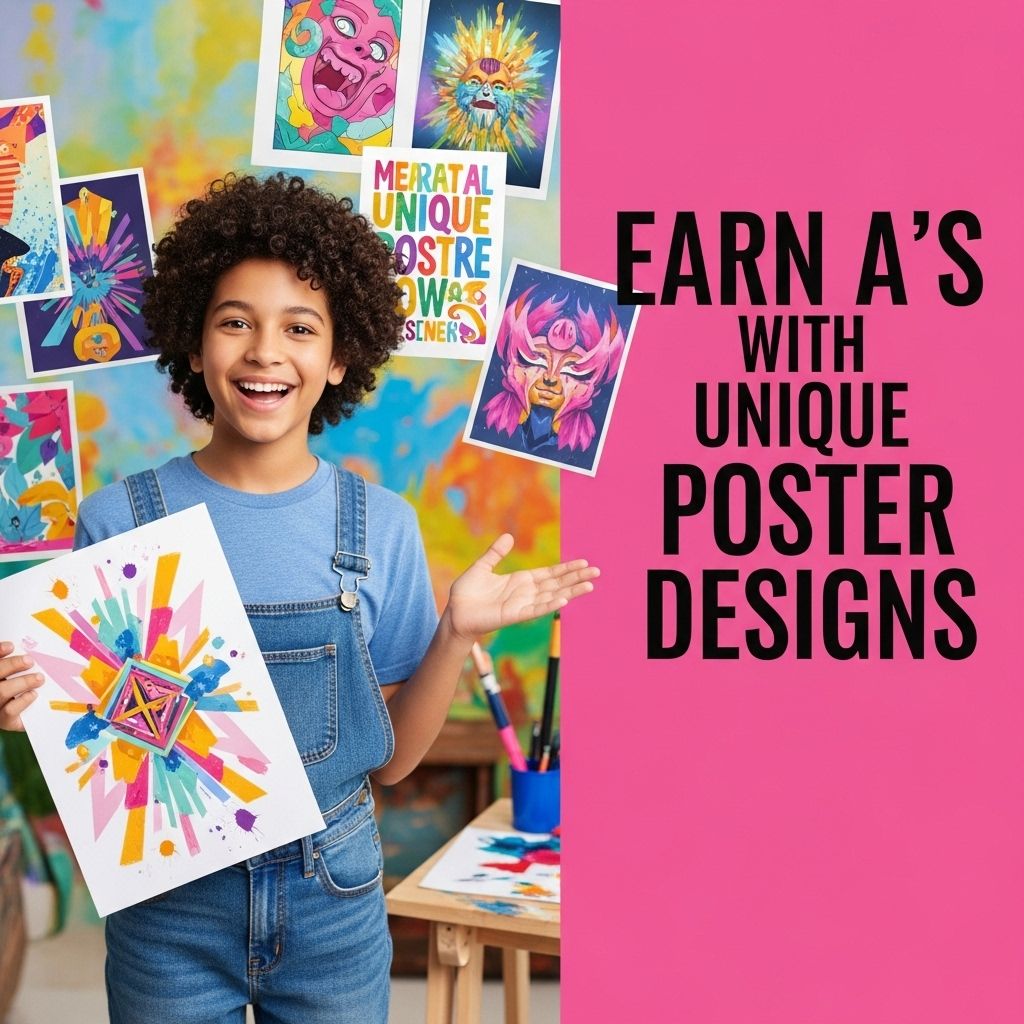
In an era where digital presentations and unique visual designs can significantly impact academic performance, students are increasingly required to create visually appealing posters to enhance their projects. Whether you’re presenting research, promoting an event, or displaying artwork, a well-crafted poster can make a lasting impression. This article explores the elements of unique poster designs that can help you earn those coveted A’s.
Creating unique poster designs can significantly enhance your chances of earning A’s by capturing attention and effectively communicating your message. By mastering the steps in the content creation process, you’ll not only develop your creativity but also produce eye-catching visuals that stand out in academics.
Understanding Your Audience
Before diving into the design process, it’s essential to understand your audience. Knowing who will view your poster will help you tailor your content, style, and layout.
Identifying Your Target Audience
- Professors and Instructors: Consider their expectations and academic standards.
- Classmates: Engage them with relatable content and a fun, dynamic design.
- General Public: Make your poster accessible and visually engaging to a broader audience.
Key Elements of Effective Poster Design
Creating a compelling poster requires attention to several design elements.
1. Layout
The layout of your poster should guide the viewer’s eye and make it easy to process information. Common layouts include:
| Layout Type | Description |
|---|---|
| Grid Layout | Organizes content in a structured manner, making it easy to follow. |
| Asymmetrical Layout | Creates an interesting visual flow and captures attention. |
| Single Column Layout | Best for simplicity; easy to read from top to bottom. |
2. Color Schemes
Choosing the right color scheme can evoke emotions and convey messages. Here are some popular color combinations:
- Blue and Gold: Trustworthy and prestigious.
- Red and White: Energetic and bold.
- Green and Brown: Natural and calming.
3. Typography
Font selection plays a crucial role in how your message is perceived. Consider the following:
- Readability: Use sans-serif fonts for titles and serif fonts for body text.
- Hierarchy: Utilize different font sizes and weights to differentiate headings from body text.
- Consistency: Limit yourself to two or three fonts to maintain a cohesive design.
Creating Engaging Content
Once your design elements are in place, focus on the content of your poster. Engaging content can help you stand out and communicate your message effectively.
1. Strong Headlines
Your title should be clear, concise, and attention-grabbing. Aim for one to two lines max. Consider using a play on words or a thought-provoking question.
2. Use of Visuals
Images, infographics, and charts can help convey complex information quickly. Ensure that:
- Visuals are high quality and relevant to your message.
- You provide proper attribution for any images used.
- Graphs and charts are easy to read and interpret.
3. Limit Text
Too much text can overwhelm viewers. Aim for bullet points or short paragraphs. A good rule of thumb is:
- Use short, impactful statements.
- Highlight key findings or concepts.
- Include only essential information.
Tips for Printing and Displaying Your Poster
Once your design is complete, it’s crucial to consider how it will be printed and displayed. Follow these tips to ensure your poster looks its best:
1. Choose the Right Size
Standard poster sizes include:
- 24″ x 36″ (most common for academic presentations)
- 18″ x 24″ (suitable for smaller venues)
- 11″ x 17″ (great for quick displays)
2. Quality Materials
Invest in high-quality paper or fabric for your poster to enhance its appearance. Consider options like:
- Glossy finish for vibrant colors.
- Matte finish for a sophisticated look.
- Fabric for reusability and easy transport.
3. Test Printing
Before printing your final version:
- Print a smaller version to check colors and layout.
- Ensure all text is legible and correctly formatted.
Conclusion
Creating a unique poster design requires a thoughtful approach to layout, color, typography, content creation, and presentation. By understanding your audience and employing effective design techniques, you can craft a poster that not only captures attention but also communicates your message clearly. Follow these guidelines, and you’ll be well on your way to impressing your teachers and peers alike, ultimately earning those A’s!
FAQ
How can unique poster designs help me earn better grades?
Unique poster designs can enhance your project presentations, making them more visually appealing and engaging, which can impress teachers and improve your overall grades.
What are some tips for creating eye-catching poster designs?
To create eye-catching poster designs, use bold colors, clear fonts, and relevant images. Keep your layout simple and organized to guide the viewer’s eye.
Are there online tools for designing posters?
Yes, there are several online tools like Canva, Adobe Spark, and Piktochart that offer templates and design features to help you create professional-looking posters easily.
Can I use my own artwork in poster designs?
Absolutely! Incorporating your own artwork into poster designs can make them more personal and unique, showcasing your creativity and individual style.
What should I include in a poster design for a school project?
For a school project poster, include a clear title, concise information, visuals like images or charts, and your name. Ensure the layout is easy to follow and visually balanced.
How do I print my poster design in high quality?
To print your poster design in high quality, use a professional printing service or a high-resolution printer. Ensure your design file is in the correct format and resolution for the best results.