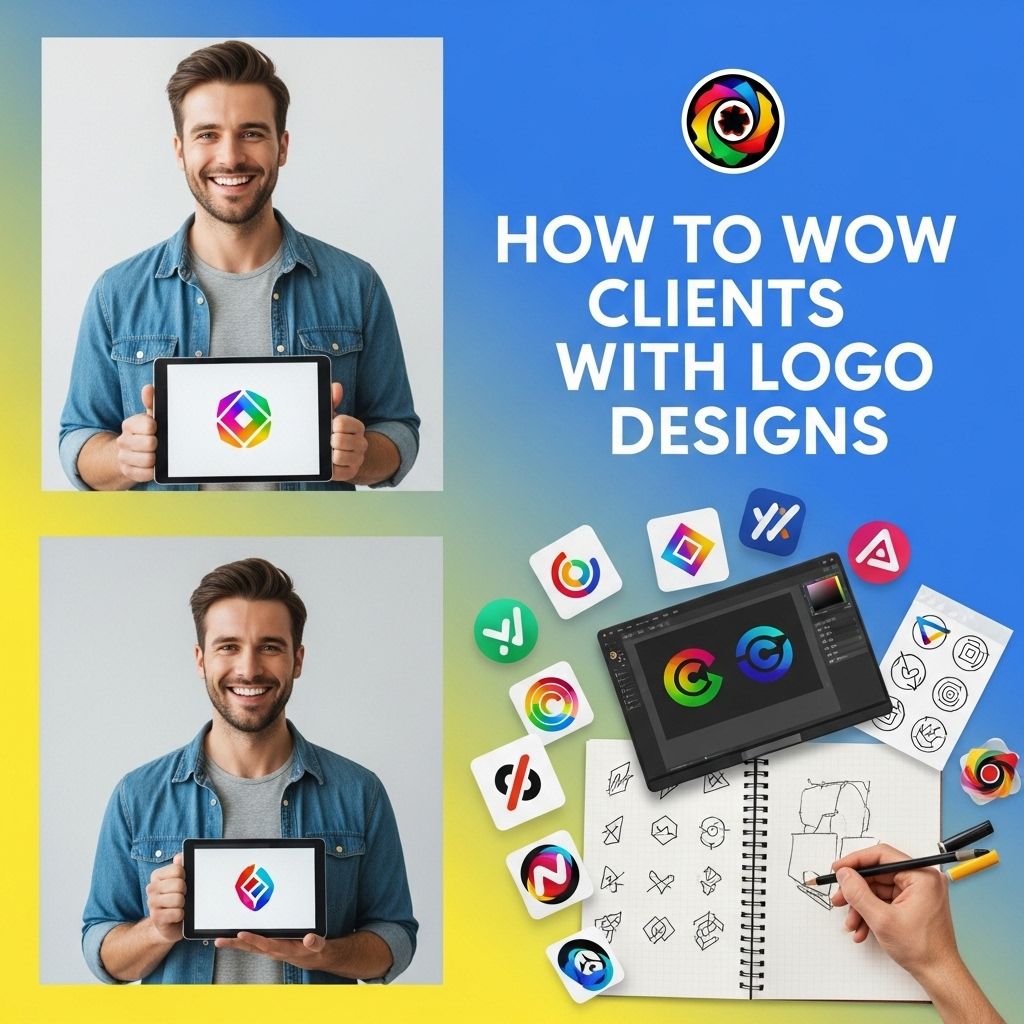
In the world of business, first impressions matter immensely. A logo can be the initial touchpoint between a brand and its customers, setting the tone for their entire experience. For designers, creating a logo that not only captivates but also communicates the essence of a brand is both an art and a science. This article explores key strategies and tips to create logo designs that truly impress clients and stand out in a crowded market.
In today’s competitive market, a memorable logo can set your brand apart and leave a lasting impression on clients. By utilizing creative designs and modern techniques, you can produce stunning logos that not only represent your brand’s identity but also captivate your audience. For those looking to elevate their presentations, check out this resource: Enhance your product presentation.
The Importance of a Powerful Logo
A logo is more than just a pretty graphic; it is a symbol of a company’s identity. The right logo can:
- Enhance brand recognition
- Communicate core values and mission
- Create a professional image
- Differentiate from competitors
Understanding the Client’s Vision
Conducting Thorough Research
Before putting pen to paper or cursor to canvas, it is crucial to understand the client’s vision. This involves:
- **Client Questionnaires**: Develop a list of questions that help clarify the client’s goals, target audience, and preferences.
- **Market Analysis**: Research competitors and industry trends to identify what works and what doesn’t.
- **Brand Identity**: Understand the mission, vision, and values of the client’s business to create a logo that aligns with their overall branding strategy.
Creating a Mood Board
A mood board is an excellent tool for consolidating ideas and inspirations. Include:
- Color palettes
- Typography examples
- Images that reflect the desired aesthetic
The Design Process
Conceptualization and Sketching
Start with brainstorming and sketching ideas. This is where creativity can flow without restrictions. Some techniques to consider:
- Mind mapping to explore various concepts
- Iterative sketching to refine ideas
- Collaboration with other creatives for diverse perspectives
Digital Drafting and Refinement
Once you have a selection of promising sketches, move to digital platforms (e.g., Adobe Illustrator, CorelDRAW) to create vector-based designs. Focus on:
- **Scalability**: Ensure the logo is clear at various sizes
- **Simplicity**: Aim for a design that is straightforward yet memorable
- **Versatility**: Consider how the logo will look in different contexts (e.g., online, print, merchandise)
Color Theory and Typography
Choosing the Right Colors
Colors evoke emotions and convey meanings. Consider the following:
| Color | Emotion | Usage |
|---|---|---|
| Blue | Trust, Dependability | Finance, Healthcare |
| Red | Passion, Energy | Food, Entertainment |
| Green | Growth, Health | Environment, Wellness |
| Yellow | Optimism, Creativity | Technology, Startups |
Selecting Typography
The choice of typography can significantly impact a logo’s effectiveness. Key considerations include:
- **Readability**: Ensure that the font is legible at different sizes
- **Alignment with Brand Personality**: Match the font style (serif vs. sans-serif) to the brand’s identity
- **Complementary Pairing**: Consider using two typefaces that work well together for a more dynamic appearance
Client Presentation
Creating a Compelling Presentation
When presenting logo options to clients, your approach can make a significant difference. Here are some tips:
- **Contextualization**: Show how the logo works in real-world contexts (e.g., business cards, websites, signage)
- **Rationale**: Explain the thought process behind design choices, including color and typography selection
- **Feedback Ready**: Be prepared to listen to client feedback and make adjustments accordingly
Handling Revisions
Revisions are a natural part of the design process. To handle them professionally:
- Keep an open mind and be flexible to changes.
- Document feedback clearly to avoid misunderstandings.
- Set reasonable timeframes for revisions and stick to them.
Finalizing the Logo
Delivering the Final Package
Once the design is approved, prepare the final logo files in various formats and resolutions. Include:
- **Vector Files**: AI or EPS formats for scalability
- **Raster Files**: PNG and JPEG for immediate use
- **Brand Guidelines**: A brief document that outlines logo usage, color codes, and typography for consistent branding
Staying Updated and Inspired
Logo design is an ever-evolving field. To maintain relevance and creativity:
- Follow design trends through publications and websites
- Attend design workshops and webinars
- Network with other designers to exchange ideas and critiques
In conclusion, creating a logo that wows clients involves a thorough understanding of their vision, a detailed design process, and effective presentation skills. By focusing on the core elements of branding, designers can craft logos that not only look good but also resonate deeply with the target audience. Remember, a great logo is a key asset for any business, bridging the gap between the company and its customers.
FAQ
What are the key elements of an effective logo design?
An effective logo design includes simplicity, memorability, versatility, relevance, and timelessness. These elements help create a logo that resonates with clients.
How can I ensure my logo design reflects my brand identity?
To ensure your logo design reflects your brand identity, consider your brand’s values, target audience, and industry trends. Collaborating with a designer can help align your vision with a compelling visual representation.
What are the common mistakes to avoid in logo design?
Common mistakes in logo design include using too many colors, complex designs, lack of scalability, and failing to consider the target audience. Keep the design simple and focused.
How important is color choice in logo design?
Color choice is crucial in logo design as colors evoke emotions and convey messages. Choose colors that align with your brand’s personality and resonate with your audience.
What file formats should I request for my logo design?
It’s essential to request your logo in various formats, including vector files (like AI or EPS) for scalability, and raster files (like PNG or JPEG) for web use. This ensures versatility in usage.
How can I gather feedback on my logo design?
Gathering feedback on your logo design can be done through surveys, focus groups, or social media polls. Involving stakeholders and potential clients can provide valuable insights.